

- Este evento ha pasado.
ELLME’25 International ConferenceThessaloniki,
septiembre 19, 2025 @ 8:00 am – septiembre 20, 2025 @ 5:00 pm

3rd International Conference on Early Language Learning and Multilingual Education in Early Childhood (ELLME’25)
The School of English of Aristotle University of Thessaloniki in Greece, in cooperation with ELLMEnet (Early Language Learning and Multilingual Education Network) and GALA (the Greek Applied Linguistics Association), are proud to welcome researchers from all over the world to contribute to our 3rd International Conference on Early Language Learning and Multilingual Education in Early Childhood. In an increasingly interconnected and globalized world, the significance of multilingualism in the very early years of a child’s development cannot be overlooked. The acquisition of multiple languages during the educational stages of life not only enriches cognitive and linguistic abilities, but also fosters a deep appreciation for diverse cultures and perspectives. This burgeoning area of research has garnered substantial attention from scholars, educators, and policymakers alike, as the advantages of early multilingual exposure extend beyond linguistic prowess to encompass broader cognitive, socio-cultural, and educational dimensions. This 3rd ELLME Conference will serve a pivotal platform to delve into the intricate interplay between language acquisition, cognitive development, and social and family engagement.
Promoted by ELLMEnet, this international conference aims at analysing and discussing issues related to multilingualism, in its broadest sense, from birth until the beginning of the compulsory education stage, usually 6/7 years old, as well as the transition from this period into Primary Education (8 years old approx.).
Keynote speakers
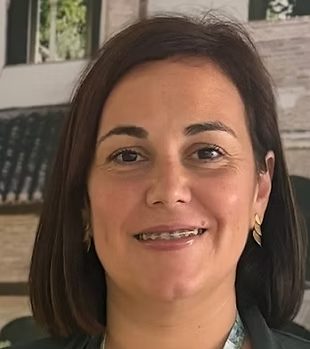
Beatriz Cortina-Pérez
Associate Professor, Department of Language and Literature Education, University of Granada
Are We Training Early Childhood Educators for the Multilingual Classrooms of the Past, the Present, or the Future?
Beatriz Cortina-Pérez
Associate Professor, Department of Language and Literature Education, University of Granada
Are We Training Early Childhood Educators for the Multilingual Classrooms of the Past, the Present, or the Future?
Abstract
As multilingualism becomes a defining feature of early childhood education, the need for well-prepared educators has never been greater. However, teacher education programs often lag behind the realities of multilingual preschools, relying on outdated monolingual or second-language acquisition models rather than embracing dynamic, plurilingual pedagogies.
This presentation critically examines whether current teacher education models equip educators—including generalist early childhood teachers and EFL specialists—to navigate the complexities of multilingual early years education, or whether they remain anchored in past frameworks.
Drawing on international examples of teacher education and findings from the LEyLA research project, funded by the Spanish Ministry of Science and Innovation, Ref. PID2021-123055NB-I00, this presentation explores how teachers’ conceptions of multilingualism shape their approaches to multilingual education in early childhood settings.
Utilising a mixed-method approach, the talk will underscore the competences identified by teachers themselves as crucial for effective work in linguistically diverse classrooms. By developing a framework that reflects the linguistic realities of today’s—and tomorrow’s—classrooms, we can provide teachers with the tools they need to foster multilingualism effectively.
This talk will challenge policymakers, researchers, and teacher educators to adopt this new framework and develop teacher education models that genuinely reflect the linguistic realities of multilingual early childhood education.
Bio
Dr. Beatriz Cortina-Pérez is an Associate Professor in the Department of Language and Literature Education at the University of Granada, lecturing in the degrees of Pre-primary and Primary Education, and in several postgraduate programmes.
She has numerous publications, many of them indexed in JCR journals, and collaborates with national and international journals on their editorial committees. Her field of study focuses on foreign language education in the early years, specifically CLIL, teaching English at preschool, and research and innovation in language teaching.
She has recently published the Springer International Handbook of CLIL in Pre-primary Education. She is currently the PI of the R+D+i LEyLA project “Design of a teaching profile for Early Childhood Education from a plurilingual approach: learning foreign and additional languages”, funded by the Spanish Ministry of Science and Innovation.
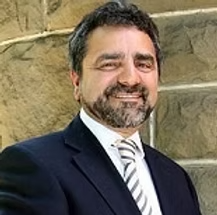
Joseph (Joe) Lo Bianco
Professor Emeritus in Language and Literacy, Faculty of Education, University of Melbourne, Australia
Becoming Policy Literate: Influencing Policy and Shaping Lives
Joseph (Joe) Lo Bianco
Professor Emeritus in Language and Literacy, Faculty of Education, University of Melbourne, Australia
Becoming Policy Literate: Influencing Policy and Shaping Lives
Personal webpage: Personal Webpage
Abstract
In this presentation I will introduce the concept of policy literacy and explore its application to early childhood language learning and multilingualism. The presentation is informed by four decades of close observation and scholarly documentation of how policy making functions, as well as theories of power and ideology that have shaped how policy making operates in democratic interest group societies. The talk is also informed by direct experience of policy advising, advocacy and implementation in a range of different socio-legal settings.
It is a commonplace assertion in academic settings that policy makers rarely read research and that the gap between the professional worlds and interests of officials, researchers and practitioners constitutes a veritable gulf of incomprehension and occasional hostility. As citizen taxpayers as much as professional educators, we should all deplore the suggestion that our research and professional experience cannot shape policy directly and that officials and politicians are not amenable to influence in their policy designs. So, how can effective communication between, on the one hand, researchers, professional associations and educators and, on the other, policy officials, decision makers, media and politicians, be improved and made effective?
Research on early language learning and multilingual education has consistently demonstrated the cognitive, social and economic benefits of multilingualism (Cummins, 2021; Zein and Coady, 2021). In this presentation I will explore the trajectory of policy making, from problem definition, to intention, implementation and experience, and track influence points for research where empirical evidence and teacher experience can be most powerful. Policy literacy consists of utilising a knowledge of decisional and agitational processes to build the significant untapped potential for researchers and educators to influence language policy in the interests of Early Language Learning and Multilingual Education in Early Childhood.
Scholars and practitioners have underutilized power to shape educational frameworks and, by engaging more strategically with policymakers, media and advocacy networks, experts can help shift public discourse and institutional priorities toward more inclusive and evidence-based language policies.
References
Cummins, J. (2021). Rethinking the Education of Multilingual Learners. Multilingual Matters.
Zein, S. and Coady, M. (2021). Early Language Learning Policy in the 21st Century: An International Perspective. Springer.
Bio
Dr Joseph (Joe) Lo Bianco is Professor Emeritus in Language and Literacy at the Faculty of Education, University of Melbourne, Australia. He is a language policy specialist combining academic research and hands-on policy engagement.
His theoretical and analytical studies of language problems and policy solutions have been conducted in many parts of the world, especially in South and Southeast Asia, Oceania, North America, Europe and in some African countries, including South Africa and Tunisia, as well as in relation to immigrant and Indigenous languages in Australia.
He has led multicountry language problem-solving teams in Southeast Asia for UNESCO and UNICEF.
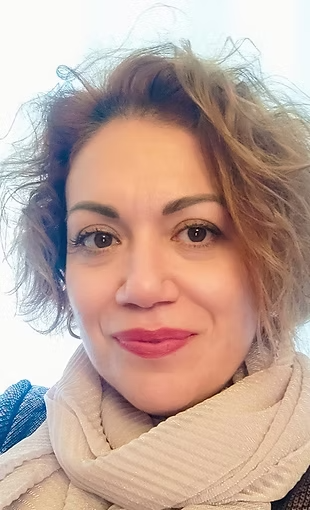
Marina Tzakosta
Professor of Language Development and Pedagogics of the Preschool Child, University of Crete
English as a Medium to Cultivate Multilingualism, Formulate Language Ideology and Promote Diversity
Marina Tzakosta
Professor of Language Development and Pedagogics of the Preschool Child, University of Crete
English as a Medium to Cultivate Multilingualism, Formulate Language Ideology and Promote Diversity
Personal webpage: Personal Webpage
Abstract
The introduction of English in preschool education has caused major changes in the philosophy and content of the new Greek school curricula and, consequently, in the language teaching methodology applied in Greek classes. In this talk, I will review the milestones of the introduction of English in Greek preschool education and its beneficial effects for language learning and teaching.
More specifically, I will first present the origin and evolution of preschool and early primary school curricula which led to the introduction of English in preschool and primary education. I will then shed light on data which point out how the introduction of English and the realisation of the EAN project have transformed language teaching, not only of second languages but also of first languages.
Moreover, I will discuss how the successful introduction of English in preschool classes is affected by the formulated language ideology and the attitudes of all stakeholders. Finally, I will argue that the introduction of English promotes language diversity and cultivates the identity of the citizen of the world from a very early age.
ELLME’25 Registration
| Fee Type | Early Bird until 15/06/2025 |
Late Bird |
|---|---|---|
| Speakers | 180€ | 220€ |
| Attendees | 80€ | 100€ |
| Attendees PhD students | 80€ | 100€ |
| Attendees BA / MA students | 20€ | 20€ |
| Attendees Teachers Saturday Pass Only |
20€ | 20€ |
| Conference Dinner 19/09/2025 |
40€ | 40€ |
| Day trip to Afytos 21/09/2025 |
55€ | 55€ |
How to register
Important Notice
All transactions on site are cash ONLY.
We kindly ask that you come prepared.
Thank you for your understanding!
Bank remittance
You may pay your registration fee by bank transfer using the details below.
Bank account details
Piraeus Bank
Beneficiary: Elliniki Etairia Efarmosmenis Glossologias (Greek Applied Linguistics Association)
IBAN: GR43 0172 2300 0052 3000 3123 701
BIC: PIRBGRAA
Information for beneficiary: ELLME’25 Registration
Important: Please make sure that all banking charges are to be borne by you.
After payment, e-mail the bank receipt to ellme25@enl.auth.gr.
Online registration · PayPal Family & Friends
You may pay your registration fee by using PayPal Family & Friends.
Account holder: akarasimos@gmail.com
Please check the Family & Friends option.
Important: Please indicate your name and “ELLME’25” as payment reason.
Proforma invoice
If you wish a Proforma Invoice, please fill in your details using the form below:
Rates
Speakers
- Attendance of all general and thematic sessions
- Certificate of presentation/attendance
- Conference folder
- Coffee breaks and light lunches during the conference
Attendees PhD students
- Attendance of all general and thematic sessions
- Certificate of attendance
- Conference folder
- Coffee breaks and light lunches during the conference
Attendees BA/MA students
- Attendance of all general and thematic sessions
- Certificate of attendance
- Conference folder
- Coffee breaks and light lunches during the conference
Attendees Teachers · Saturday Pass Only
- Attendance of general and thematic sessions only on Saturday
- Certificate of attendance
- Conference folder
- Coffee breaks and light lunches during the conference
Experts Panel
International Experts Panel Discussions

Danijela Prošić
Full Professor of English Language and Literature, Faculty of Philosophy, University of Novi Sad, Serbia
From Subjects to Co-Researchers: Rethinking Children’s Role in Early Language Learning Research
Danijela Prošić
Full Professor of English Language and Literature, Faculty of Philosophy, University of Novi Sad, Serbia
From Subjects to Co-Researchers: Rethinking Children’s Role in Early Language Learning Research
Abstract
Early additional language learning (EALL) research has traditionally prioritized adult perspectives, often marginalizing children’s voices. This study challenges such paradigms by examining current trends among international EALL researchers, focusing on the shift from research about children to research with children.
Drawing on mixed methods data from 61 researchers across 27 countries, it investigates attitudes toward child autonomy, agency, and participation. Results highlight the growing recognition of children as competent informants in their own right, capable of contributing meaningfully to language learning research when appropriate, child-centered methodologies are used.
The study underscores ethical imperatives, such as informed assent and non-coercive participation, and the methodological importance of triangulating perspectives—those of children, caregivers, and educators—to capture the full ecology of language learning.
By illuminating current practices and perceptions, this research offers critical insights into how the field may better honor young learners’ voices in both ethical and epistemological terms.
Bio
Danijela Prošić is a Full Professor of English Language and Literature and the Vice-Dean for Education at the Faculty of Philosophy, University of Novi Sad, Serbia.
Her main research interests are related to EFL teacher education and early foreign language learning, as well as using children’s literature in teaching, with a focus on fairy tales and nursery rhymes.
Currently, she is a member of the Committee of the General Assembly of the Early Language Learning Research Association.
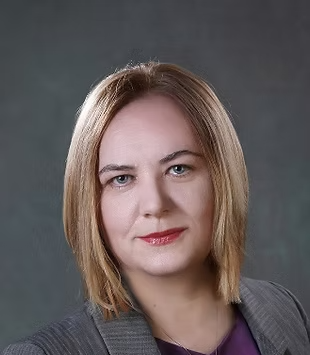
Joanna Rokita-Jaśkow
Associate Professor of Applied Linguistics, University of the National Education Commission, Kraków, Poland
What is Child-Centered Ethics in Research in the Early Language Learning Domain?
Joanna Rokita-Jaśkow
Associate Professor of Applied Linguistics, University of the National Education Commission, Kraków, Poland
What is Child-Centered Ethics in Research in the Early Language Learning Domain?
Personal webpage: Personal Webpage
Abstract
In early language learning research, the participants are very young children whose cognitive and linguistic development is still continuing and who, therefore, may be very sensitive to judgment and failure to meet expectations. Researchers must ensure that the methods and interactions used are scientifically valid and appropriate for children’s age and developmental stage.
Child-centred ethics in research refers to an ethical framework where the well-being, rights and needs of children are prioritised in the design, implementation and evaluation of research. Key principles of child-centred ethics in early language learning may include informed consent of caregivers and children themselves, respect for children’s voices, benefits for the child, non-exploitation and confidentiality.
This means that children should be viewed as active participants in the learning activity rather than merely subjects of study. For this reason, non-intrusive methods, such as observation, non-intrusive recording and parent/teacher feedback, should be prioritised.
These assumptions will be exemplified by my research and concluded with practical guidelines for establishing good rapport with children.
Bio
Joanna Rokita-Jaśkow, PhD, is Associate Professor of Applied Linguistics at the University of the National Education Commission, Kraków, Poland, where she holds a Chair for ELT.
Her main research interests concern EFL teacher education and early foreign language learning. She is an author and editor of 10 books and over 80 articles in refereed journals and monographs on these topics.
Her most recent book is titled The Ecology of Pre-Primary Foreign Language Education (2025, Multilingual Matters). Currently, she is Vice-chair of the Early Language Learning Research Association.
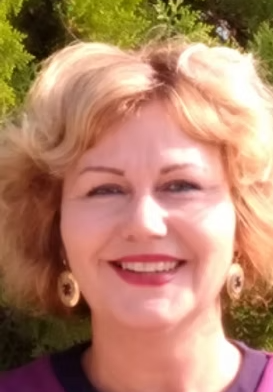
Mila Schwartz
Professor of Language and Education, Oranim Academic College of Education, Israel
How Can We Engage Linguistically and Culturally Diverse Children in Research with Them? Insights from an Ethnographic Approach
Mila Schwartz
Professor of Language and Education, Oranim Academic College of Education, Israel
How Can We Engage Linguistically and Culturally Diverse Children in Research with Them? Insights from an Ethnographic Approach
Personal webpage: Personal Webpage
Abstract
It appears that caregivers and researchers often hold theories about how children learn languages that overlook the reality of children’s experiences. Therefore, they “read” these experiences differently.
Recently, early language learning research has highlighted two main perspectives: the traditional method, which employs large-scale quantitative studies to track children’s language development and uses experimental tasks to uncover factors that influence their learning, often treating children as passive participants; and a newer approach, which shifts the focus by recognizing children as the main agents and experts of their own learning process (Kuchah & Pinter, 2021).
What is the best approach for young children to explore their agency in early language learning? It has been proposed that natural, non-structured talks with young children using diverse elicitation tools, such as significant objects from home or the preschool environment, including dolls, drawings and photos, can support this process (Schwartz, 2024).
In this talk, I will discuss how playful art activities with children can be used to engage them in research and elicit their perceptions, using this approach as an ecologically valid research tool.
I will demonstrate that conducting research with children enables us to gather data on their awareness of the multilingual environment, attitudes towards languages, language preferences, motives for language learning and metacognitive beliefs.
Ultimately, I will address some limitations of conducting research with children as active agents. Specifically, researchers should consider that young children’s perceptions are multilayered, sometimes messy, changeable in nature and contextually embedded.
References
Kuchah, K., & Pinter, A. (2021). Researching young language learning in a school context: Setting the scene. In A. Pinter & K. Kuchah (Eds.), Ethical and Methodological Issues in Researching Young Language Learners in School Contexts (pp. 1–23). Multilingual Matters.
Schwartz, M. (2024). Ecological Perspectives in Early Language Education: Parent, Teacher, Peer and Child Agency in Interaction. Routledge.
Bio
Mila Schwartz is a Full Professor of Language and Education and the Head of Research Authority at Oranim Academic College of Education, Israel.
Her current research focuses on theorizing the phenomenon of interactions between child language-based agency, teacher agency and parents’ agency in early language education.
At the international level, Prof. Schwartz has 25 years of extensive research experience and exemplary achievements in academia and top-tier research organizations, including the International Symposium of Bilingualism (ISB), where she held the position of Secretary of the Steering Committee from 2015 to 2019.
She has also been involved in the European Early Childhood Education Research Association network and Multilingual Childhoods, where she acted as Convenor from 2019 to 2022. She is now a Convenor of the international network ELLMEnet, “Future Challenges in Early Language Learning and Multilingual Education”.
Prof. Schwartz has edited seven books, recently completed editing the First Handbook of Early Language Education, and published a monograph entitled Ecological Perspectives in Early Language Education: Parent, Teacher, Peer, and Child Agency in Interaction.

He Sun
Associate Professor and Assistant Director, National Institute of Education, Nanyang Technological University, Singapore
Issues and Solutions for Assessing Young Language Learners
He Sun
Associate Professor and Assistant Director, National Institute of Education, Nanyang Technological University, Singapore
Issues and Solutions for Assessing Young Language Learners
Personal webpage: Personal Webpage
Abstract
Assessing young language learners presents unique challenges due to their developing cognitive and linguistic abilities, limited attention span and the interactive nature of language acquisition.
Traditional assessment methods, such as standardized tests and self-reports, often fail to capture the nuanced and dynamic aspects of young learners’ language development. To address these challenges, we propose adopting psycholinguistic and ICT-related approaches, such as eye-tracking technology, skin conductance measures and transcription analysis, as innovative solutions.
Taking eye-tracking as an example, it can provide real-time insights into learners’ visual attention, processing efficiency and reading patterns, offering a more objective measure of language comprehension.
By leveraging these technologies, researchers and educators can develop more ecologically valid, real-time and multimodal assessment methods that better reflect young learners’ language abilities.
This talk highlights the potential of these approaches to enhance language assessment and contribute to a deeper understanding of early language development.
Bio
He Sun is an Associate Professor and Assistant Director at the National Institute of Education, Nanyang Technological University, Singapore.
Her major interests are child bilingualism and eBook reading, individual differences in early bilingualism, second and foreign language acquisition, and harmonious bilingual experience.
Her work has appeared in journals such as Bilingualism: Language and Cognition, Child Development, International Journal of Bilingual Education and Bilingualism, and Studies in Second Language Acquisition, and has been featured by media such as The Straits Times and CNA.
She is an Associate Editor of the Journal of Child Language, a Consulting Editor of Child Development, and an Executive Committee Member of the International Association for the Study of Child Language.
Local Experts Panel Discussions
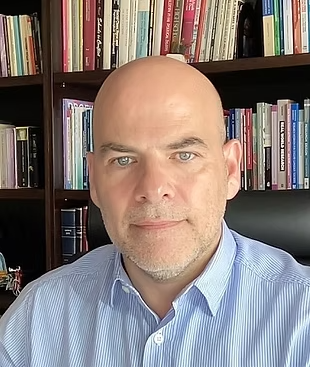
Ioannis Karras
Professor of Applied Linguistics and Intercultural Communication, Ionian University, Greece
The Importance of Fostering Cultural and Intercultural Awareness through EFL/EIL in Early Childhood Education
Ioannis Karras
Professor of Applied Linguistics and Intercultural Communication, Ionian University, Greece
The Importance of Fostering Cultural and Intercultural Awareness through EFL/EIL in Early Childhood Education
Personal webpage: Personal Webpage
Abstract
In an era of rapidly increased interconnectedness and globalization, fostering cultural and intercultural awareness in early childhood education has become a fundamental goal of pedagogy.
The integration of cultural and intercultural awareness through English as a Foreign/International Language in Greek early years settings has become a priority, resulting in curriculum goals being aligned with such priorities. Hence, early childhood education is not only tasked with traditional foundational learning but also with cultivating inclusive, democratic and intercultural values.
When young children learn about different ways people live, speak, behave, celebrate and eat, they begin to understand the world beyond their immediate environment and limited scope, and thus begin to make sense of it.
Introducing English in early childhood education can become an ideal vehicle for promoting cultural and intercultural awareness by enhancing curiosity, openness, respect, empathy, inclusion and global citizenship.
Bio
Ioannis Karras is a Professor of Applied Linguistics and Intercultural Communication at Ionian University, Greece.
He holds a B.A. in English and a B.A. in Linguistics from the University of Calgary, Canada; an M.Ed. in TEFL from the Hellenic Open University, Greece; an M.Sc. in Intercultural Communication from the University of Warwick, UK; and a PhD in Applied Linguistics from the National and Kapodistrian University of Athens, Greece.
Ioannis has lectured as a visiting professor and invited speaker at various universities around the world. He has extensive experience teaching Applied Linguistics and Intercultural Communication at undergraduate, master’s and PhD level.
He has delivered numerous talks at international conferences and has conducted seminars and workshops in several countries. Ioannis has co-authored and edited books, book chapters and articles in peer-reviewed journals and conference proceedings.
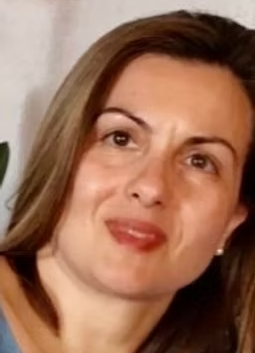
Efthymia Penderi
Associate Professor, Department of Education Sciences in Early Childhood, Democritus University of Thrace, Greece
Key Criteria for the Successful Introduction of Early EFL in Preschool: Lessons from the Greek Experience
Efthymia Penderi
Associate Professor, Department of Education Sciences in Early Childhood, Democritus University of Thrace, Greece
Key Criteria for the Successful Introduction of Early EFL in Preschool: Lessons from the Greek Experience
Personal webpage: Personal Webpage
Abstract
Recent research highlighting the benefits of introducing English as a Foreign Language (EFL) in early childhood has inspired educational reforms across many countries. However, an early start alone does not ensure meaningful engagement or effective learning.
For EFL instruction to be successful in preschool settings, it must be developmentally appropriate, contextually relevant and seamlessly integrated into the broader educational framework of the classroom.
In Greece, the early introduction of EFL was implemented through the EAN project—an interdisciplinary, theory-driven and research-based initiative that provided both the pedagogical and methodological foundations for this reform.
This presentation outlines the core principles of the EAN framework, emphasizing its alignment with Greece’s new national preschool curriculum.
Key success criteria emerging from this dual reform effort include holistic development, cross-thematic and inquiry-based learning design, inclusive practices, a strong culture of collaboration, a playful pedagogical approach, and a focus on multilingual awareness and intercultural communication.
These elements jointly support a coherent and motivating early learning experience and may serve as guiding principles for similar efforts in other contexts.
Bio
Efthymia Penderi is an Associate Professor in the Department of Education Sciences in Early Childhood at Democritus University of Thrace, Greece.
She has collaborated with the Greek Institute of Educational Policy as a scientific coordinator in the development of the new national preschool curriculum, and as a member of the project team for the pilot introduction of English in preschool education.
She also served as a scientific collaborator in the national EAN programme during the broader implementation of this reform.
Her research focuses on curriculum design, the reduction of social inequalities in education, the promotion of children’s right to participation, strategic learning and bilingual education.
Her broader interests include sociocultural learning and well-being, family-school-community partnerships, teachers’ professional development, and the sociopedagogical dimensions of schooling.
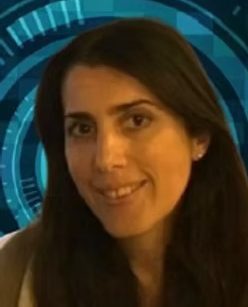
Maria Perifanou
Leading Researcher in Technology-Enhanced Learning (TEL) and Computer-Assisted Language Learning (CALL)
AI Literacy in Early Language Education: How Prepared Are Our Teachers?
Maria Perifanou
Leading Researcher in Technology-Enhanced Learning (TEL) and Computer-Assisted Language Learning (CALL)
AI Literacy in Early Language Education: How Prepared Are Our Teachers?
Personal webpage: Personal Webpage
Abstract
The integration of Artificial Intelligence (AI) in early language education presents transformative opportunities for personalized, inclusive and responsive learning. However, language teachers in Early Childhood Education (ECE) often lack the AI literacy needed to harness these advancements effectively.
Key challenges include limited professional development, ethical concerns around data privacy, and equitable access to digital tools. As AI reshapes pedagogical practices, educators must critically engage with its implications, not only technically, but also ethically and pedagogically.
Recent frameworks by UNESCO and the European Union offer guidance on inclusive, human-centered and ethical AI use in education, yet the gap between policy and classroom implementation remains substantial.
Building robust AI literacy in ECE requires a comprehensive approach: training, ethical reflection and cross-sector collaboration.
In this presentation, I will examine how well-prepared educators are to navigate and lead this AI-enhanced future in early language learning, and propose strategies to bridge the divide between innovation and practice.
Bio
Dr. Maria Perifanou is a leading researcher in Technology-Enhanced Learning (TEL) and Computer-Assisted Language Learning (CALL).
She is an adjunct professor at several Greek universities and a senior researcher at the SMILE Lab. She serves as Vice-President of the European Association of Technology Enhanced Learning (EATEL) and General Chair of its JTEL Summer School.
Dr. Perifanou has led and contributed to over 35 EU-funded projects on TEL, AI in education and intelligent CALL. She also chairs key Special Interest Groups within EATEL.
With over 120 peer-reviewed publications, she has earned international awards for research excellence. She ranks in the top 0.94% of global scholars in Educational Technology over the last five years and 1.58% lifetime, according to ScholarGPS.
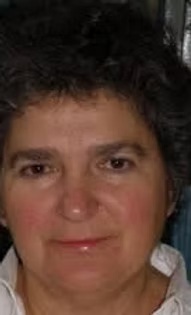
Eleni Skourtou
Professor Emerita for Linguistic and Cultural Diversity in Education, Department of Primary Education, University of the Aegean
What Do Language Teachers Hear When They Are Listening to Their Students Who Are Languaging?
Eleni Skourtou
Professor Emerita for Linguistic and Cultural Diversity in Education, Department of Primary Education, University of the Aegean
What Do Language Teachers Hear When They Are Listening to Their Students Who Are Languaging?
Personal webpage: Personal Webpage
Abstract
Being a language teacher for children or adults with linguistically diverse backgrounds puts teachers in a position of constantly evaluating the output of their teaching, that is, their students’ performance in the target language.
The evaluation criteria that teachers apply are not just technical means. They reflect the evaluator’s epistemologies: their standpoint and gaze towards language(s) and bilingualism, what they consider as “proper” or “correct” language use, and eventually how they conceive speakers’ translanguaging practices and how they deal with them.
The question we ask here is how far we, as educators, act as “white listening subjects” of students’ language performance and what consequences this might have for our students.
We will build upon a series of major shifts in language diversity and bilingualism theories that resulted in a relocation of focus from language to the speaker and eventually to the listener. We will discuss the notion of “white listening subject” in the context of the new epistemologies and in that of raciolinguistics theory.
Bio
Eleni Skourtou is a Professor Emerita for Linguistic and Cultural Diversity in Education at the Department of Primary Education of the University of the Aegean.
Her research and teaching focus on language diversity and the education of minorized students, as well as on orality, literacy and meaning making.
Specifically, Eleni Skourtou’s research focuses on language diversity in Greece, bilingualism and learning, translanguaging, learning through a second language, and the education of Roma, immigrant and refugee children in Greece.
In relation to literacy, her work focuses on orality, literacy, multiliteracies, e-literacies, text and meaning making, and multiple remakings of meaning of culturally canonical texts, such as the Odyssey.
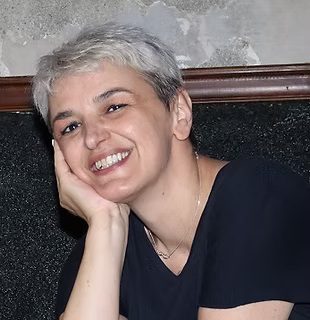
Roula Tsokalidou
Professor of Sociolinguistics and Language Teaching, School of Early Childhood Education, Aristotle University of Thessaloniki
Roula Tsokalidou
Professor of Sociolinguistics and Language Teaching, School of Early Childhood Education, Aristotle University of Thessaloniki
Bio
Roula Tsokalidou is Professor of Sociolinguistics and Language Teaching at the School of Early Childhood Education, Aristotle University of Thessaloniki.
ELLME’25 Programme
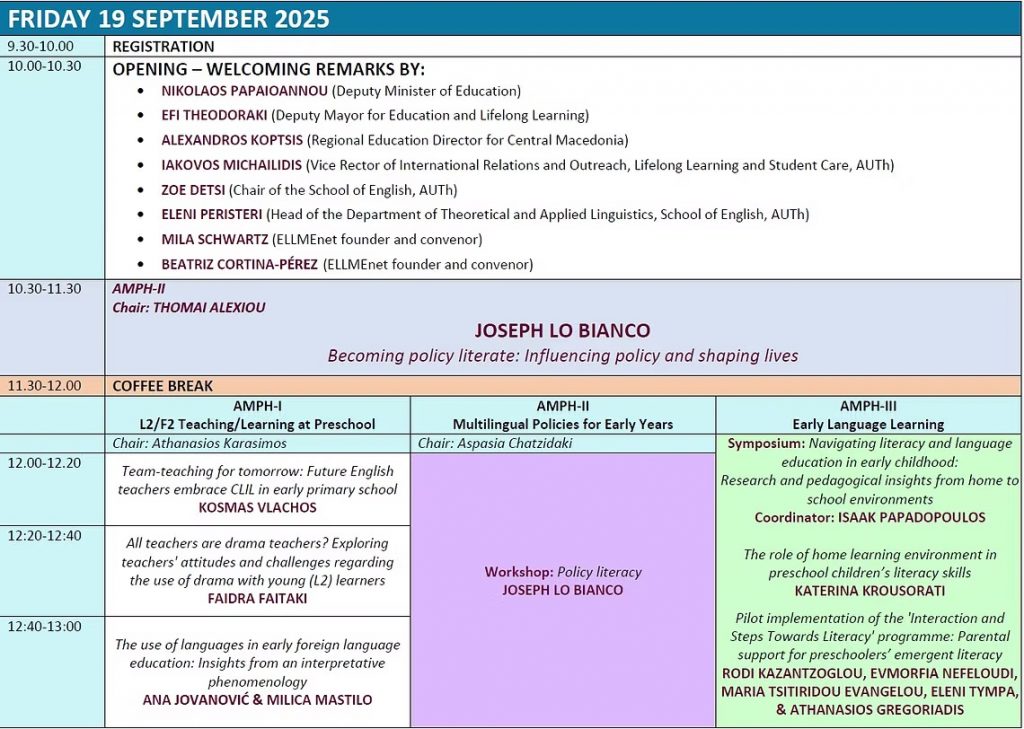
Conference information
Programme updates
Cancelled presentation: The use of past tenses in narrative productions of L2 Italian children: A focus on aspect and tense, Karin Zambonati, 19 September, 15:20.
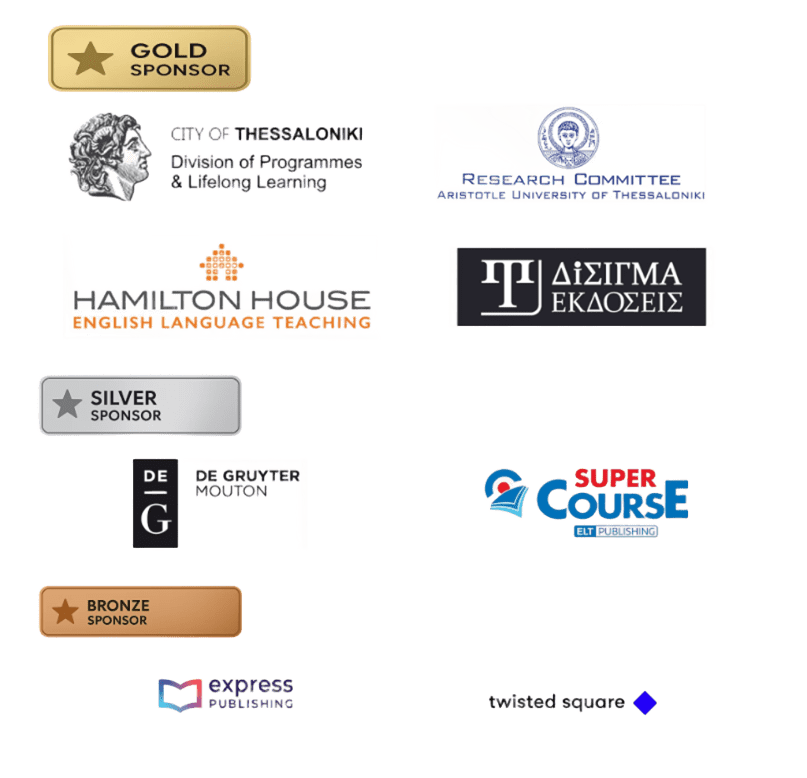
A book exhibition by the publishing houses Hamilton House Publishers, Super Course Publishing, and DISIGMA Publishers will be available throughout the conference.
Conference programme availability
Please note that the conference programme will not be provided in printed form.
The full programme will be available:
- On the conference website
- Via QR code access at the venue
- On digital screens located outside the conference rooms
We encourage all participants to consult the programme through these digital means.
Proceedings
The scientific work of the conference will be completed with two publications based on the conference presentations.
The first will be a volume of selected peer-reviewed papers published by DISIGMA Publications.
The second will be a thematic volume published by Mouton De Gruyter, following a more complex peer-review process and established selection criteria focusing on innovation, research quality, and significant contribution to the theme of the conference.
Speakers will be informed after the conference about the submission deadlines and the formatting guidelines for the full versions of their presentations for each publication.
Information for speakers
Plenary talks
Each plenary talk will be scheduled for 60 minutes: 50 minutes for presentation and 10 minutes for discussion.
Papers in regular and thematic sessions
Oral presentations will be allotted 15 minutes presentation time and 5 minutes discussion time.
Poster presentations
Poster presentations should be set to A0 size or smaller. The requested size is 0.8 m width × 1.2 m height.
Suggested weight for A0 per square meter: 140 g for plotter paper; 175 g for photographic paper. Poster adhesive strips will be provided by the organisers.
Workshops
Workshops will be allotted 1 hour, including discussion time.
Social programme
Important Notice
All transactions on site are cash ONLY.
We kindly ask that you come prepared.
Thank you for your understanding!
Dinner
Conference dinner at a central spot in the city. Registration is necessary. Accompanying persons are welcome to join us.
Price: 40€ per person.
Before dinner, those interested can enjoy a walking tour offered by our volunteer students. The walk will take roughly 30 minutes on foot at a relaxed pace.
Walking from K.E.D.E.A. (AUTH) to the dinner venue offers a lively blend of history and city life: from the vibrant university campus and the iconic Rotonda, to the Roman Forum and the cafés near Aristotelous Square, ending in the nightlife hub of Valaoritou.
Landmarks along the route
- Rotonda & Arch of Galerius
- Roman Forum, also known as the Ancient Agora
- Aristotelous Square
- Optional detour for street art or local shops in surrounding alleys
- Valaoritou District
Register here. Please reserve your spot no later than Sunday, 7 September.
Day Trip to Afytos – Explore Tradition & Relax by the Sea!
Registration is required. Accompanying persons are welcome to join.
Join us for a delightful day trip to Afytos, one of Halkidiki’s traditional seaside villages. Participants will be able to wander through cobbled streets lined with stone-built houses, enjoy views of the Aegean Sea, and experience traditional Greek cuisine by the water.
There will also be an opportunity to swim for those interested.
- Departure: 11:00 a.m.
- Return to Thessaloniki: by 8:00 p.m.
- Participation fee: 55€ per person
- The fee includes transportation and lunch
Register here. Please reserve your spot no later than Friday, 5 September.
Travelling Info
Conference venue
The conference will take place at the Aristotle University Research Dissemination Center (KEDEA), located at the Aristotle University Campus, 3is Septemvriou Street.
The Research Dissemination Center is a characteristic red building that you cannot miss.
How to get there
The easiest way to get to the city centre is by taxi, which is affordable in Greece. The approximate cost from the airport to the University is 20€.
The conference venue is situated at the Panepistimio metro station, on the new Thessaloniki Metro line.
Bus connections from Egnatia Street
- Bus lines No. 2, 7, 14, 58 — Bus stop: AHEPA or University of Macedonia
- Bus lines No. 17, 24, 37 — Bus stop: Fititiki Leschi
Hotel recommendations near Aristotle University
For your convenience, we have listed several hotels located in the centre of Thessaloniki, within easy reach of the conference venue and the Panepistimio metro station.
Luxury
Electra Palace Thessaloniki
Makedonia Palace
Mid-range
Mandrino Hotel
Plaza Hotel
The Mavili Urban Stay
City Hotel
Casa Primavera
Budget
Orestias Kastorias
Le Palace Art Hotel
Hotel ABC
Rentrooms Thessaloniki
Oditee Rotonda
Hotel Ilisia
Pella Hotel
All are in downtown Thessaloniki, within a 20-minute walk, approximately 1.5 km or less, from the university campus.
- Luxury stays offer spa services, sea views and refined comfort.
- Mid-range options provide good price-to-quality ratios, with breakfast included in many cases.
- Budget selections are affordable, clean, centrally located and practical for conference attendees.
More accommodation options
If none of the previous hotels suits your needs, you may find a wider range of hotels in or close to the city centre through the following links:
Sponsors
Organised by
